
Products
Ecuadorian exotic fruit, ready to export.
Nine varieties ready to leave the country, each with its own growing region, season, and spec sheet, so you know exactly what you’re buying.
Yellow Dragon Fruit
Hylocereus megalanthus
Our top-exported variety. Unlike its white- and red-flesh cousins, this pitahaya has a yellow rind covered in small bumps instead of bracts, and a white, notably sweet, intensely aromatic flesh with fewer seeds. Grown in Palora, in the Ecuadorian Amazon, a region known for the quality of this fruit.
Palora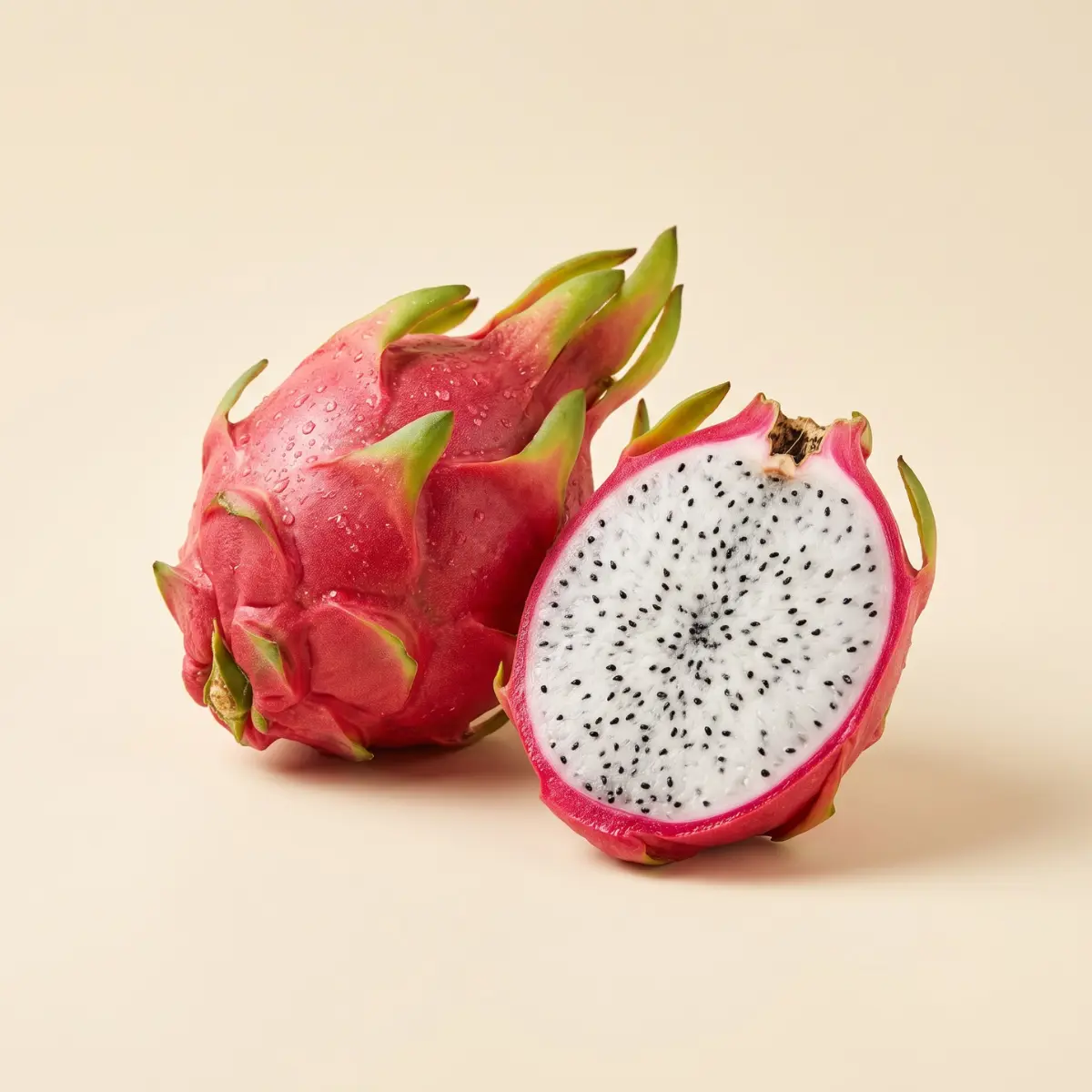
White-Flesh Dragon Fruit
Hylocereus undatus
Ecuador’s coastal region produces a white-flesh pitahaya valued for its long shelf life and delicate, refreshing flavor — qualities that make it equally suited to retail shelves and foodservice menus. Beneath the bright pink, scaly skin and green-tipped bracts lies a mild, subtly sweet flesh dotted with tiny edible black seeds.
Guayas, Los Ríos, Santa Elena, Manabí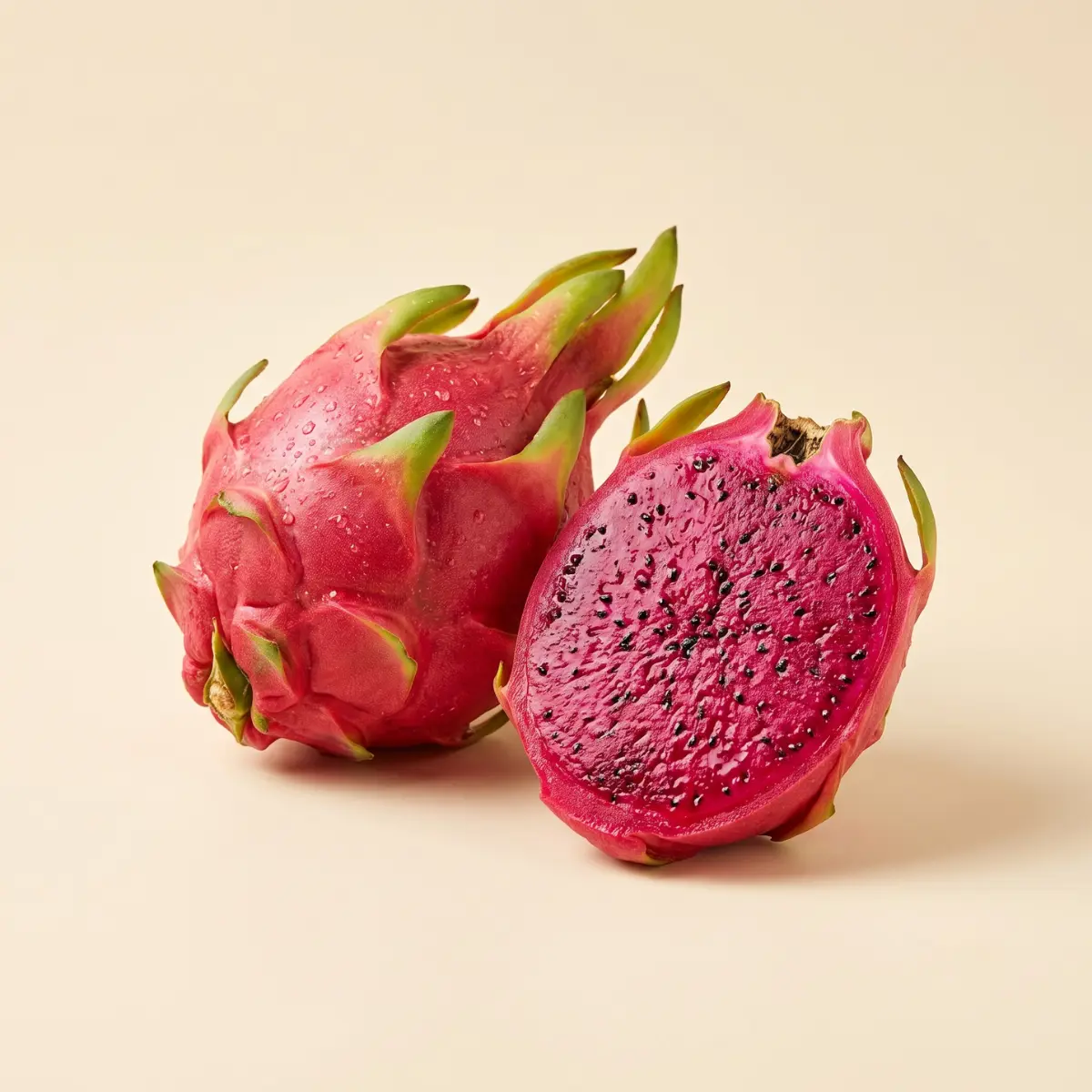
Red-Flesh Dragon Fruit
Hylocereus polyrhizus
The same growing regions yield a red-flesh sibling, sweeter and juicier than its white counterpart. Its magenta-red interior comes from betalains, the natural pigment that also makes this variety a sought-after coloring ingredient for juices and smoothie blends, alongside its appeal as a fresh-eating fruit.
Guayas, Los Ríos, Santa Elena, Manabí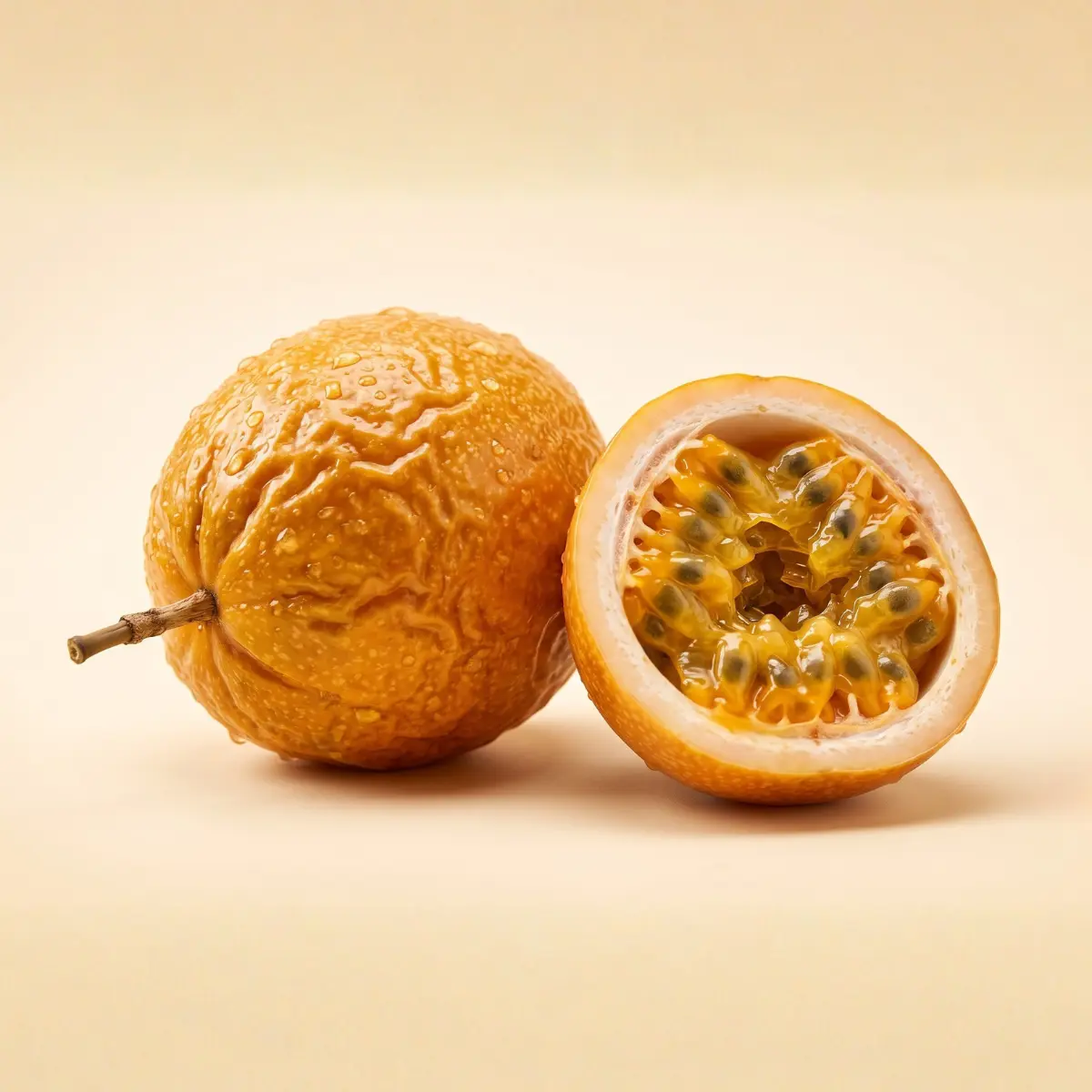
Passion Fruit
Passiflora edulis
Maracuyá has become a signature ingredient in tropical juice, purée, and beverage applications worldwide, prized for its bold, tangy-sweet flavor. Its bright yellow, glossy rind protects an intensely aromatic pulp packed with edible seeds.
Manabí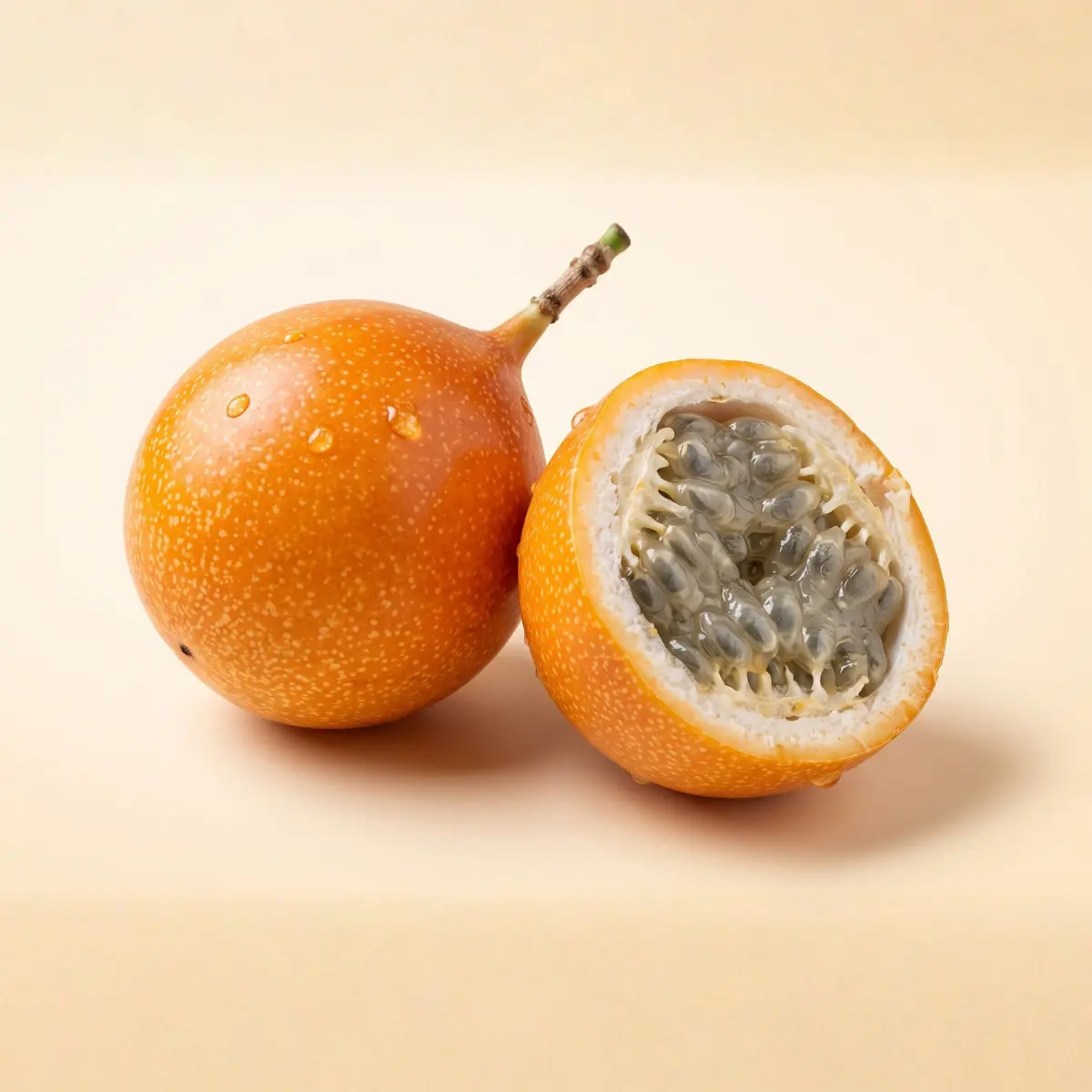
Granadilla
Passiflora ligularis
Granadilla holds a different position in the market than its passion fruit relatives: it remains a niche, exclusive product in markets like Europe. Its smooth, hard, orange-speckled shell opens to reveal a cluster of translucent, jelly-like arils, delicately sweet and floral, without the tartness typical of the maracuyá family. We grow it in Ecuador’s highlands.
Valle de Intag, Imbabura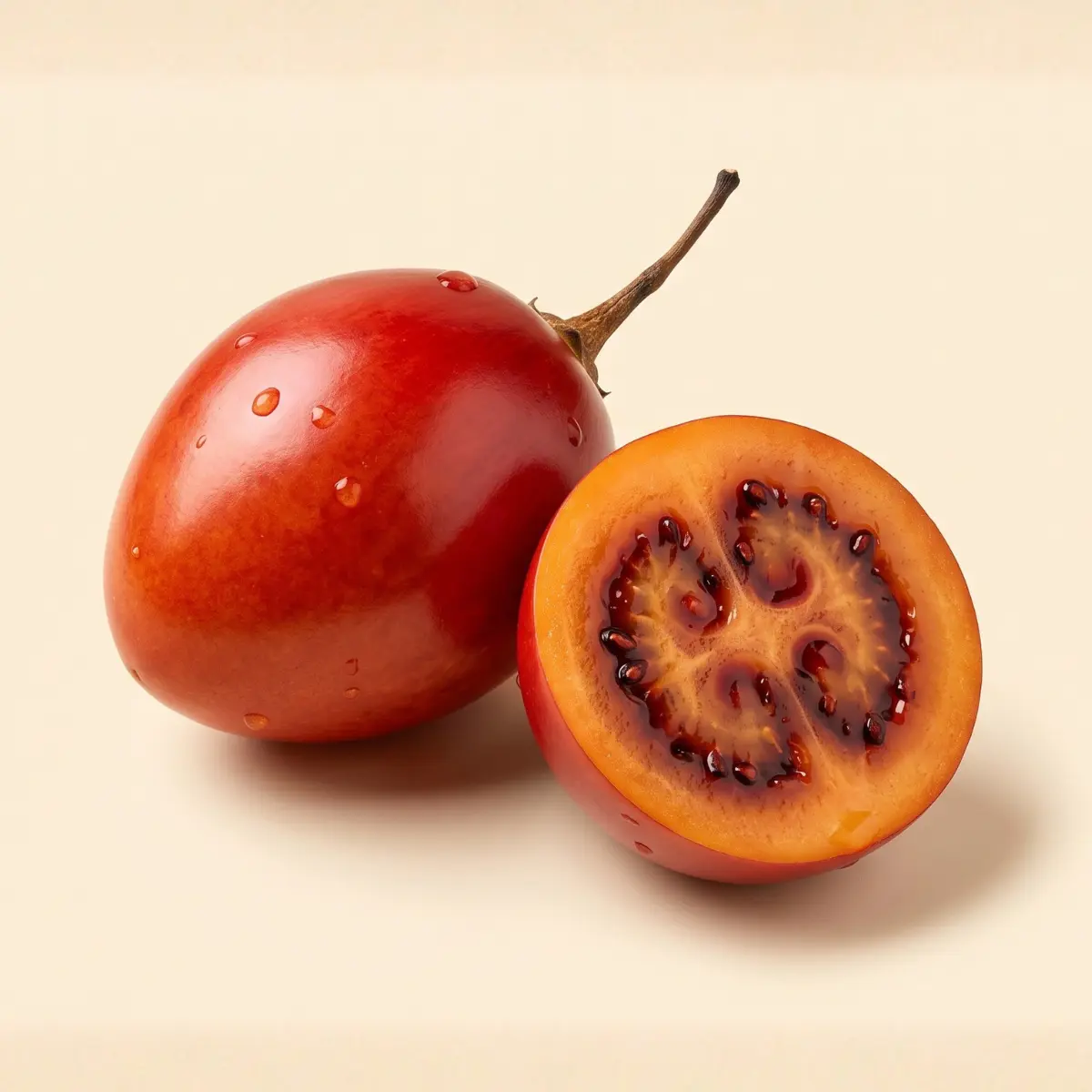
Tree Tomato
Solanum betaceum
Tamarillo exports out of Ecuador have grown sharply in recent years, building on the fruit’s role as a staple of Andean cuisine. The egg-shaped fruit, with glossy skin ranging from red to orange, delivers a firm, tangy-sweet flesh — a tomato-like tang balanced by tropical sweetness.
Pátate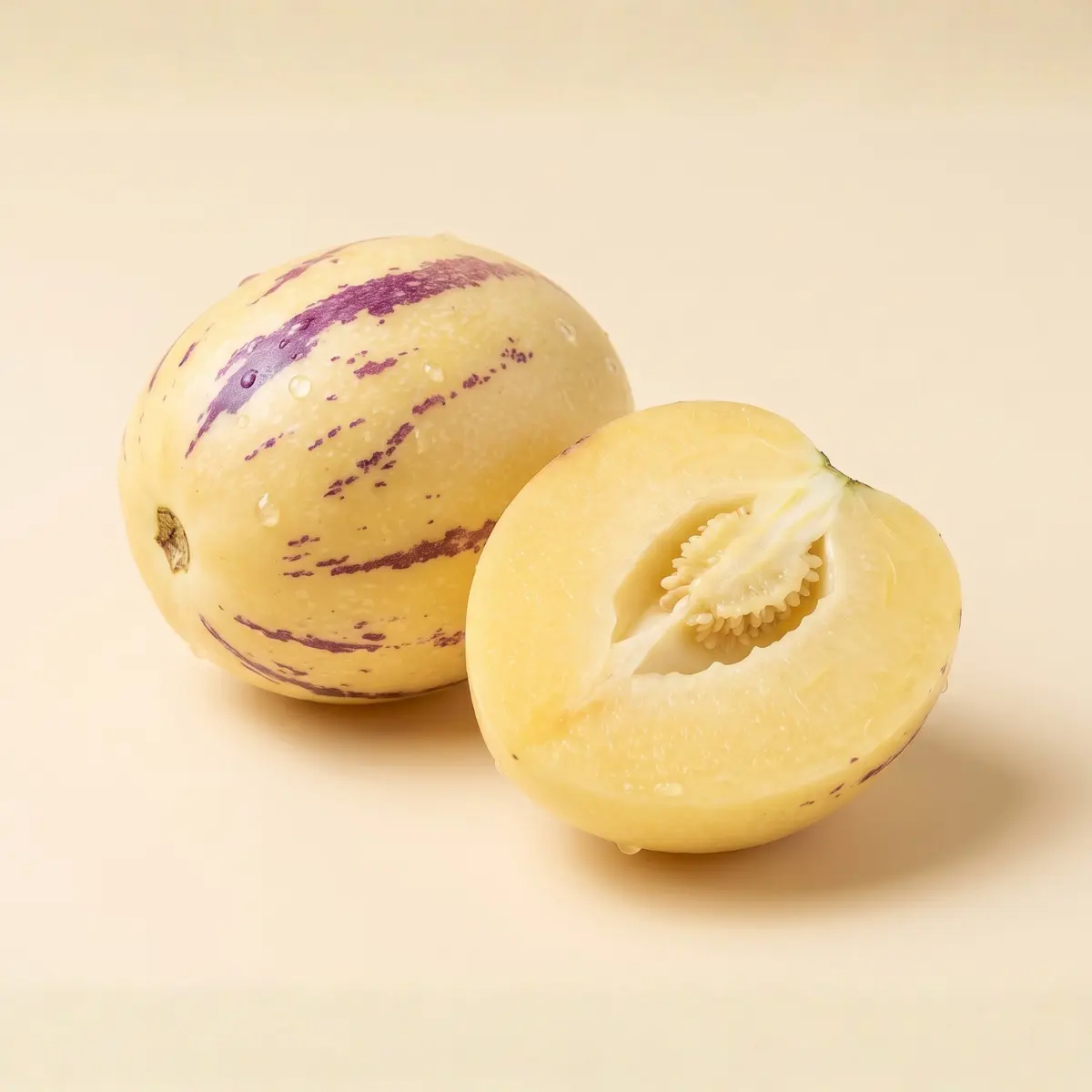
Sweet Cucumber
Solanum muricatum
Somewhere between honeydew melon and cucumber, this Andean fruit offers a refreshingly mild flavor that stands out in any exotic fruit lineup. Smooth-skinned, pale green to golden with distinctive purple striping, its low acidity and delicate juiciness make it easy to work with across formats.
Pátate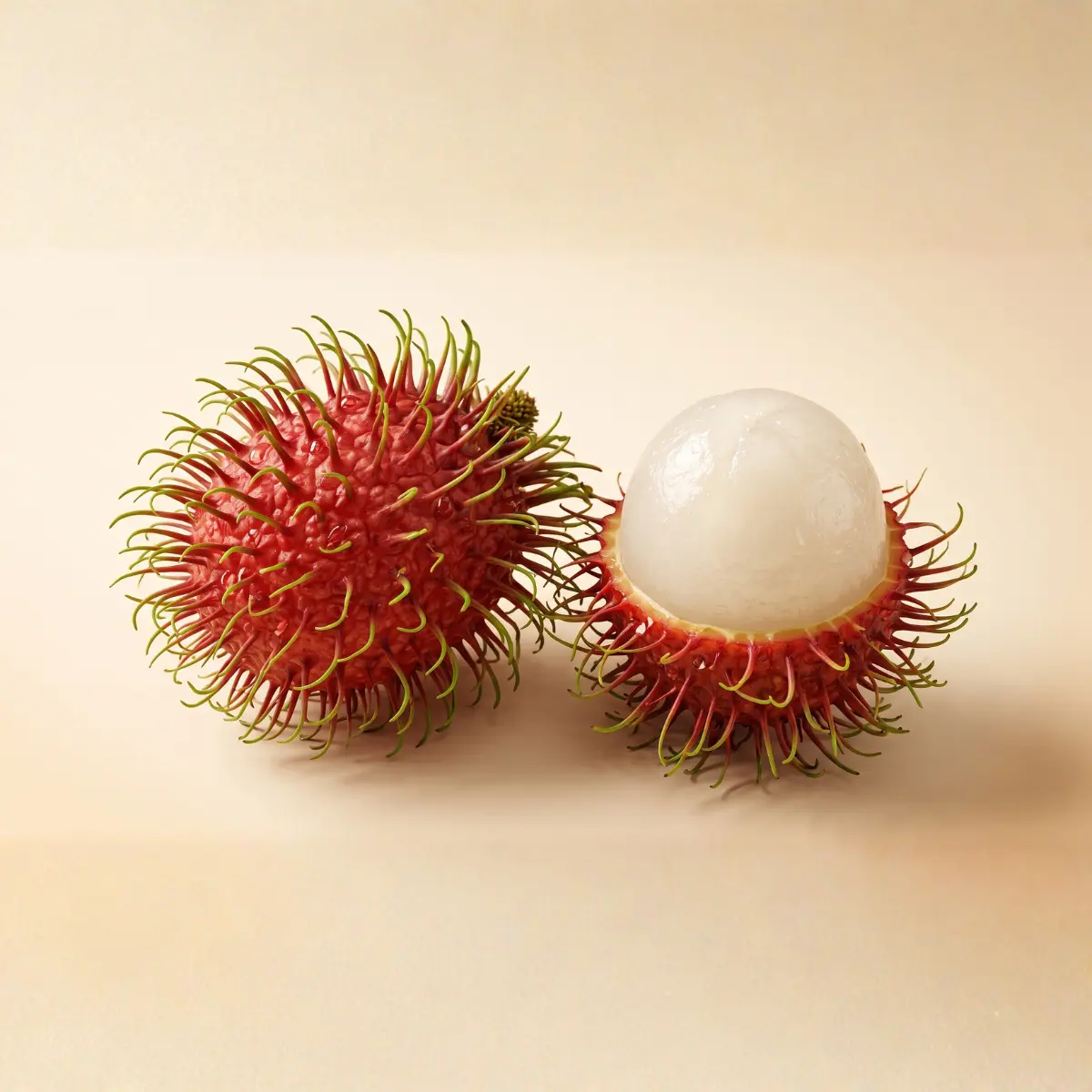
Rambutan
Nephelium lappaceum
Native to Southeast Asia, rambutan now thrives in Ecuador’s tropical lowlands, where its vivid red, soft-spined shell has become instantly recognizable to buyers. Inside, the translucent, juicy flesh is closely related in flavor and texture to lychee. Because it’s highly perishable, we handle it under strict cold-chain protocols from harvest to export.
ManabíNaranjilla
Solanum quitoense
An Andean fruit with velvety orange skin and a juicy, tangy, bright green flesh. It’s the base of one of Ecuador’s most beloved juices, and it’s gaining ground abroad as an ingredient for beverages and desserts with a distinctive tropical edge.
CarchiGrowing regions
Every fruit, from its ideal microclimate.
Our fruit is sourced from distinct growing regions across Ecuador, each contributing its own microclimate advantages.
Coastal region
Guayas, Los Ríos, Santa Elena, Manabí
White- and red-flesh dragon fruit, passion fruit, and rambutan.
Andean highlands
Valle de Intag, Imbabura · Pátate · Carchi
Granadilla, tamarillo, sweet cucumber, and naranjilla.
Amazon region
Palora
Yellow dragon fruit.
Export markets
Ecuador, growing worldwide.
Ecuador’s exotic fruit exports have grown sharply in the past year. The United States remains the leading destination, followed by Canada and a fast-growing presence across the European Union, where Ecuadorian pitahaya, granadilla, and tamarillo are increasingly found in specialty retailers and wholesale markets. China opened as a new market for Ecuadorian pitahaya in 2023, and Singapore continues to grow as a key gateway into Asia.
Pitahaya
Granadilla
Tamarillo
Passion fruit
Source: ProEcuador / Central Bank of Ecuador, reported via FreshPlaza (2025–2026).
Which fruit does your market need?
Tell us the volume and destination, and we’ll tell you which fruit is at its peak right now.